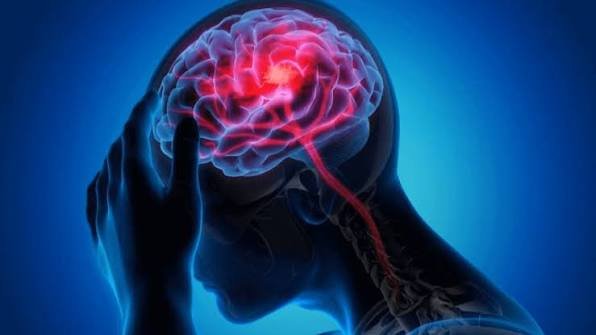
Neurological Conditions: A Complete Guide to Brain, Nerve, and Spinal Health
Our brain and nervous system control almost everything we do. They help us think, move, speak, learn, and feel. They also control breathing, sleep, memory, and many body functions. However, problems can sometimes affect this important system. These problems are known as neurological conditions. They can affect people of different ages and may develop suddenly or slowly. Some cause mild discomfort, while others can change daily life. Understanding their signs can help people seek proper medical care. Early attention may also help prevent certain problems from becoming worse. In this guide, we explore common conditions, possible causes, warning signs, and treatment choices. We also share simple ways to support brain and nerve health.
What Are Neurological Conditions?
Neurological conditions are health problems that affect the nervous system. This system includes the brain, spinal cord, and nerves. These parts work together to send messages throughout the body. For example, your brain tells your legs when to walk. Your nerves help you feel heat, cold, and pain. When something affects these signals, normal body functions may change. Some conditions affect memory and thinking. Others cause muscle weakness, shaking, or nerve pain. Certain conditions develop over many years. Others appear after an injury, infection, or sudden medical event. There are hundreds of different disorders, and each has its own symptoms. Some can be controlled with treatment, while others need long-term care.
Cleveland Clinic+1
Detailed Overview of Neurological Conditions
The following table gives readers a simple overview of this health topic. It explains the main body areas involved, common examples, and the types of care people may need. Remember that this is general information, not a personal diagnosis. A doctor must review someone’s symptoms and medical history before identifying a condition. Some disorders also affect several parts of the nervous system. Their symptoms can differ from one person to another. This overview can help readers understand common medical terms before speaking with a healthcare professional. It can also make it easier to prepare useful questions for an appointment. Always seek professional advice when symptoms are new, unusual, or getting worse.
| Overview item | Details |
| Subject | Neurological health |
| Main body system | Nervous system |
| Main parts involved | Brain, spinal cord, and nerves |
| Medical specialty | Neurology |
| Specialist | Neurologist |
| Common examples | Migraine, epilepsy, Parkinson’s disease, and multiple sclerosis |
| Common symptoms | Headaches, weakness, numbness, memory changes, and seizures |
| Possible causes | Genetics, infections, injuries, immune problems, and blood flow problems |
| Diagnosis | Medical history, neurological examination, and suitable tests |
| Treatment | Medicines, therapy, rehabilitation, and supportive care |
| Prevention | Healthy habits and management of certain health risks |
| Long-term care | Depends on the condition and individual needs |
1. Common Types of Neurological Conditions
There are many types of nervous system disorders. Each type affects the body in a different way. Some mainly affect movement, while others change memory, feelings, or body sensations. Common examples include epilepsy, migraines, Alzheimer’s disease, and Parkinson’s disease. Multiple sclerosis affects the brain and spinal cord. Peripheral neuropathy affects nerves outside the brain and spinal cord. Stroke happens when blood flow to part of the brain becomes blocked or bleeding occurs. Brain and spinal cord injuries can also cause lasting problems. These conditions may have different causes and treatment plans. Some people experience mild symptoms, while others need regular medical support. Learning about these groups helps people understand why proper testing matters.
Cleveland Clinic+2
2. Common Symptoms to Watch For
The symptoms of neurological conditions depend on which nerves or brain areas are affected. Some people experience frequent headaches or unusual dizziness. Others notice numbness, tingling, or weakness in their arms and legs. Changes in balance can make walking difficult. Memory problems may affect daily tasks and conversations. Some people experience shaking, muscle stiffness, or trouble speaking clearly. Seizures can also happen in certain conditions. These signs do not always mean someone has a neurological disorder. Many other health problems can cause similar symptoms. However, repeated or unexplained changes deserve medical attention. Keep a record of symptoms, including when they begin and how long they last. This information can help a doctor understand the problem.
3. What Causes Nervous System Disorders?
There is no single cause behind every nervous system disorder. Some conditions develop because of changes in genes. Others happen when the immune system attacks healthy nerve tissue. Infections can also affect the brain, spinal cord, or surrounding tissues. Injuries from accidents may damage important nerves. Blood flow problems can harm brain cells and cause a stroke. Some conditions develop slowly as nerve cells become damaged over time. Other cases have no clearly identified cause. Age, family history, and certain health problems may influence the risk of specific disorders. However, having a risk factor does not mean someone will develop a disease. A medical professional can help investigate possible causes through examinations and suitable tests.
Cleveland Clinic+1
4. Migraine and Other Headache Disorders
Migraines are more than ordinary headaches. They can cause strong, repeated head pain that affects everyday activities. Some people also experience nausea, vomiting, and sensitivity to light or sound. Others notice flashing lights or unusual vision changes before the pain begins. Migraine symptoms can last for hours or longer. Common triggers may include poor sleep, stress, skipped meals, and certain foods. However, triggers are different for everyone. Doctors may recommend medicines to treat attacks or reduce how often they happen. Rest, regular meals, and a steady sleep routine may also help. A new or sudden severe headache needs urgent medical assessment, especially with weakness, confusion, or vision loss.
Cleveland Clinic+1
5. Epilepsy and Seizure Disorders
Epilepsy is a condition that causes repeated seizures. Seizures happen because of unusual electrical activity in the brain. They can affect awareness, movement, feelings, or behavior. Some people experience shaking movements during a seizure. Others may stare into space or become briefly unaware of their surroundings. Not every seizure looks the same. A single seizure does not automatically mean someone has epilepsy. Doctors review medical history and test results before making a diagnosis. Treatment may include anti-seizure medicines and other specialist care. During a seizure, protect the person from nearby objects. Do not hold them down or place anything inside their mouth. Seek emergency help if a seizure lasts five minutes or longer, or another starts before recovery.
6. Alzheimer’s Disease and Memory Problems
Alzheimer’s disease is a brain condition that gradually affects memory and thinking. It is a common cause of dementia. Early signs may include forgetting recent events, repeating questions, or struggling with familiar tasks. As the condition progresses, communication and daily activities may become harder. Family members may notice changes before the affected person does. However, occasional forgetfulness does not always mean Alzheimer’s disease. Sleep problems, stress, medicines, and other health issues can also affect memory. A doctor can assess memory changes and investigate possible causes. Treatment and supportive care may help people manage symptoms and maintain daily routines. Families can also create safer home spaces and offer patient, respectful support.
Cleveland Clinic+1
7. Parkinson’s Disease and Movement Problems
Parkinson’s disease affects nerve cells involved in controlling movement. It often develops slowly and may cause shaking, muscle stiffness, and slower movements. Some people also experience balance problems or changes in walking. Other symptoms can include sleep difficulties, constipation, and mood changes. Symptoms do not appear in the same way for everyone. Doctors usually assess movement, medical history, and other signs before making a diagnosis. There is no single test that confirms every case. Treatment may include medicines, physical therapy, and exercises that support movement. Regular follow-up appointments can help doctors adjust care as needs change. Family support and safe home arrangements may also make daily activities easier.
CDC+1
8. Multiple Sclerosis and Nerve Damage
Multiple sclerosis, also called MS, affects the brain and spinal cord. It happens when the immune system attacks the protective covering around nerve fibers. This damage can interrupt messages traveling through the nervous system. People may experience tiredness, vision changes, numbness, or muscle weakness. Some also have trouble walking or maintaining balance. Symptoms may come and go or become more persistent. The exact cause is not fully understood. Genetic and environmental factors may play a role. Doctors may use MRI scans and other examinations to support a diagnosis. Treatment can help reduce relapses, manage symptoms, and slow disease activity. Early specialist care can be valuable for people with suspected MS.
CDC+1
9. Peripheral Neuropathy and Nerve Pain
Peripheral neuropathy describes damage or problems involving nerves outside the brain and spinal cord. These nerves carry messages between the brain and the rest of the body. When they become damaged, people may feel burning, tingling, numbness, or weakness. Symptoms often affect the hands and feet. Diabetes is one possible cause, but infections, injuries, certain medicines, and vitamin problems may also contribute. Some people find that symptoms become worse at night. Doctors may recommend blood tests, nerve studies, or other examinations. Treatment depends on the cause and may include medicines, physical therapy, or better management of an underlying condition. People with reduced foot sensation should check their feet regularly for unnoticed cuts or injuries.
Cleveland Clinic+1
10. Stroke and Brain Injuries
A stroke is a serious medical emergency. It happens when blood flow to part of the brain becomes blocked or a blood vessel bleeds. Brain cells can become damaged quickly without proper blood supply. Common warning signs include sudden face drooping, arm weakness, and trouble speaking. Sudden vision problems, balance loss, or a severe unusual headache may also occur. Remember the letters FAST: Face, Arms, Speech, and Time. Call emergency services immediately if someone shows possible stroke symptoms. Do not wait for signs to disappear. Brain injuries can also affect memory, movement, speech, and behavior. Quick medical assessment and rehabilitation may help support recovery.
Cleveland Clinic+1
11. How Doctors Diagnose Nervous System Problems
Finding the correct cause of symptoms is an important part of treatment. A neurologist usually starts by asking about symptoms and medical history. They may ask when problems began and whether they happen regularly. A neurological examination can check muscle strength, reflexes, balance, memory, and sensation. Further tests depend on the suspected condition. MRI and CT scans help doctors examine the brain and spinal structures. An EEG records electrical activity in the brain and may help investigate seizures. Nerve conduction studies and electromyography can assess nerve and muscle function. Blood tests may also help identify infections or other health problems. Not everyone needs every test. The doctor chooses examinations based on individual findings.
Houston Methodist+1
12. Treatment Options and Medical Care
Treatment depends on the exact condition, its cause, and the person’s symptoms. Some people need medicines to control seizures or reduce pain. Others may receive treatment to manage inflammation or slow disease activity. Physical therapy can improve strength, balance, and movement. Occupational therapy helps people manage everyday activities. Speech therapy may support communication and swallowing problems. Some patients need surgery or specialist rehabilitation. Others benefit from regular medical reviews and supportive care. There is no single treatment that works for every nervous system disorder. People should follow their doctor’s instructions and discuss side effects before changing medicines. A treatment plan may change over time as symptoms and personal needs develop.
Cleveland Clinic+1
13. Daily Life and Living With a Neurological Disorder
Living with a long-term nervous system disorder can bring physical and emotional challenges. However, good support can make daily life more manageable. People may benefit from creating simple routines and planning activities around their energy levels. Keeping medical appointments and following treatment advice are also important. Family members can help with transport, household tasks, and emotional support. Support groups may provide a place to share experiences and useful advice. Some people need changes at home, such as handrails or better lighting. These small changes can reduce certain risks and improve confidence. It is also important to discuss sadness, anxiety, or stress with a healthcare professional. Emotional well-being deserves attention alongside physical health.
14. How to Support Brain and Nerve Health
Healthy daily habits can support general brain and nervous system health. They cannot prevent every neurological disease, but they may improve overall well-being. Try to eat balanced meals with vegetables, fruits, whole grains, and suitable protein sources. Regular physical activity supports circulation and general health. Good sleep gives the body time to rest and recover. Avoid smoking and limit alcohol consumption. Manage conditions such as high blood pressure and diabetes with medical guidance. Protect your head during sports and travel by using suitable safety equipment. Keep your mind active through reading, learning, and social activities. Avoid taking supplements or medicines without proper advice. Small, steady habits can support health over time.
15. When Should You See a Neurologist?
You should speak with a healthcare professional when unusual symptoms continue or affect daily life. Repeated headaches, unexplained numbness, muscle weakness, memory changes, or balance problems deserve attention. A primary care doctor can assess initial symptoms and refer you to a neurologist when needed. Bring a list of symptoms and current medicines to your appointment. Mention any family history that may be relevant. Seek emergency help for sudden weakness, face drooping, speech difficulty, sudden vision loss, or severe confusion. These symptoms may indicate a stroke or another urgent problem. Do not drive yourself if you may be experiencing a medical emergency. Getting help quickly can make an important difference in care and recovery.
16. The Importance of Family and Caregiver Support
Family support can make a meaningful difference for people living with long-term health problems. Some patients need help with cooking, cleaning, appointments, or taking medicines. Others mainly need someone who listens and understands their concerns. Caregivers should learn about the person’s condition and follow professional advice. They should also respect the patient’s independence whenever possible. Simple tools, such as medication reminders and daily planners, can make routines easier. People with neurological conditions may also benefit from community programs and support groups. Caregivers need rest and emotional support too. Taking breaks can help prevent stress and exhaustion. A caring environment helps people feel respected, supported, and more confident during difficult moments.
17. Can Neurological Conditions Be Prevented?
Some nervous system problems have risk factors that people can manage. However, many conditions cannot be completely prevented. Genetic disorders, for example, may develop because of inherited changes. People can still take steps to support their general health. Managing blood pressure, blood sugar, and cholesterol may reduce certain health risks. Wearing helmets during risky activities can help prevent serious head injuries. Good hygiene and recommended vaccinations may protect against some infections. Regular exercise and healthy eating also support overall well-being. These habits do not guarantee protection from neurological conditions. Anyone with ongoing symptoms should seek medical advice instead of relying only on lifestyle changes. Prevention and early care work best when supported by reliable medical guidance.
18. The Future of Neurological Research
Medical research continues to improve how doctors understand and treat nervous system disorders. Scientists are studying new medicines, improved imaging tools, and better rehabilitation methods. Researchers are also exploring how genetics and immune system changes affect certain diseases. These studies may help doctors identify problems earlier. They may also lead to more personal treatment plans. New technology can support movement training and communication for some patients. However, research findings do not always become available treatments immediately. Clinical trials must carefully test safety and effectiveness. Patients should discuss new treatment options with qualified specialists. Reliable medical information can help families understand progress without believing every online health claim. Better research offers hope for improved care in the future.
Conclusion
Neurological conditions can affect the brain, spinal cord, and nerves in many different ways. Some cause headaches, while others affect memory, movement, balance, or sensation. Their causes and symptoms are different, so proper medical assessment is important. Learning about warning signs can help people make better health decisions. Early diagnosis may also help doctors choose suitable treatment and support. Healthy habits, regular checkups, and family support can improve overall well-being. Although not every condition can be prevented or cured, many people can manage their symptoms with the right care.
If you or someone close to you experiences unusual neurological symptoms, speak with a qualified healthcare professional. Avoid self-diagnosis and never ignore sudden warning signs. Ask questions, follow medical advice, and keep learning about available care options. Understanding your health is an important step toward making informed choices. Share this guide with someone who may find it helpful. What topic would you like to learn about next?
Frequently Asked Questions (FAQs)
Q1. What are neurological conditions?
A: Neurological conditions are disorders that affect the brain, spinal cord, or nerves. They can cause problems with movement, memory, sensation, speech, or balance. Some develop slowly, while others appear suddenly.
Q2. What are the most common neurological conditions?
A: Common examples include migraines, epilepsy, Alzheimer’s disease, Parkinson’s disease, multiple sclerosis, stroke, and peripheral neuropathy. Each condition has different symptoms and treatment needs.
Q3. What are the early warning signs of neurological conditions?
A: Early signs may include frequent headaches, numbness, tingling, memory problems, dizziness, muscle weakness, and balance difficulties. Sudden weakness or speech problems require emergency medical attention.
Q4. Can neurological conditions be cured?
A: Some conditions can be treated successfully, while others require long-term management. Medicines, physical therapy, rehabilitation, and lifestyle changes may help control symptoms and improve daily life.
Q5. Which doctor treats neurological conditions?
A: A neurologist is a medical specialist who treats problems affecting the brain, spinal cord, and nerves. They can perform examinations, recommend tests, and develop suitable treatment plans.
Q6. How can I keep my nervous system healthy?
A: Eat balanced meals, exercise regularly, sleep well, and avoid smoking. Manage existing health problems and protect your head from injuries. Regular medical checkups can also support overall health.